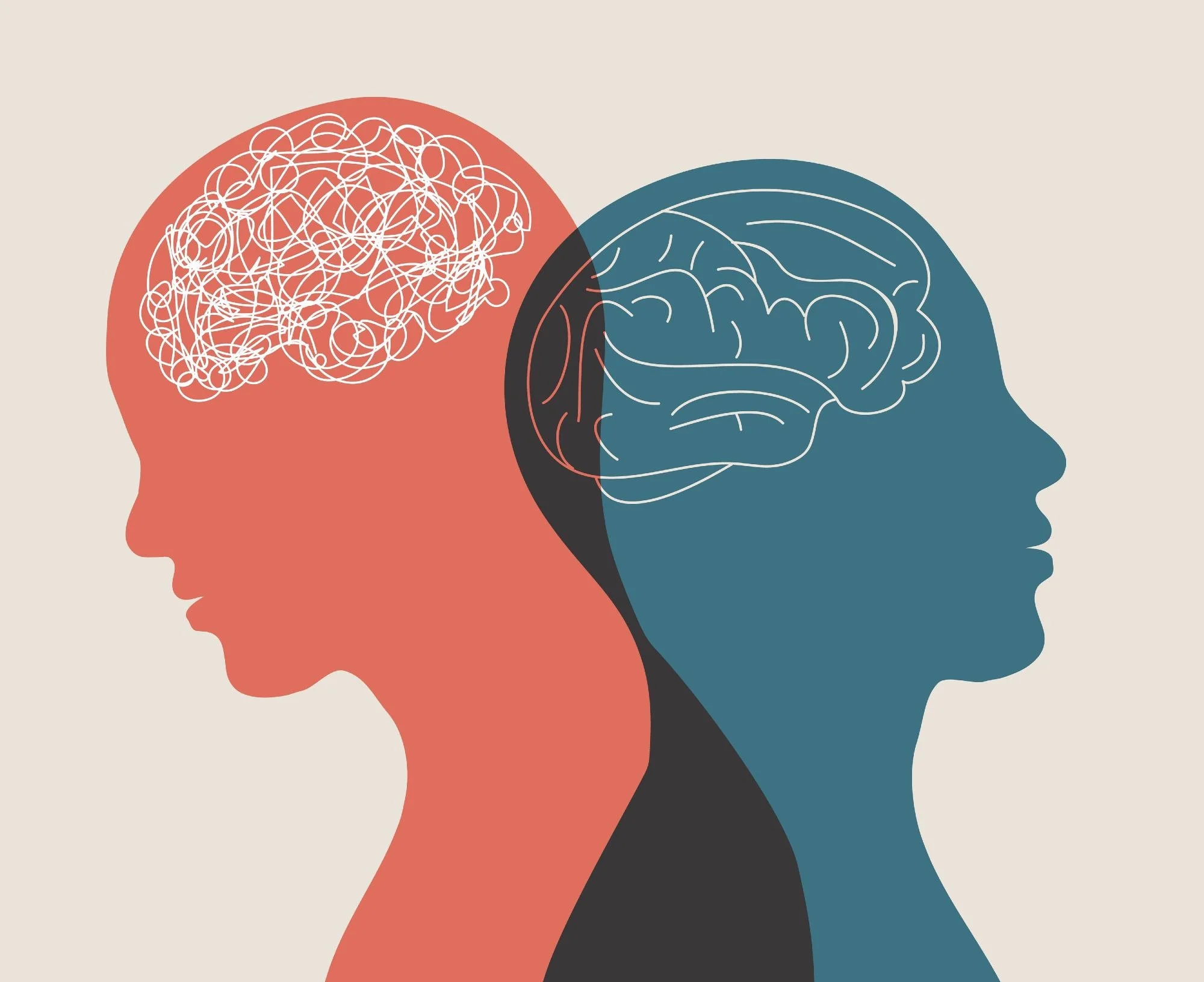
Anxiety is a natural human emotion that can even be beneficial, like motivating us to prepare for important events. However, when anxiety becomes chronic, overwhelming, and interferes with daily life, it can signify an anxiety disorder. If you're struggling with excessive worry, fear, or avoidance, know that you're not alone and effective treatments are available to help you find relief and regain control.
Generalized Anxiety Disorder (GAD):
Generalized Anxiety Disorder (GAD) is characterized by persistent and excessive worry about everyday situations and challenges. Individuals with GAD often find it difficult to control their worry, leading to a range of emotional and physical symptoms.
Symptoms may include:
Social Anxiety Disorder, also known as social phobia, is characterized by an intense fear of social situations where an individual fears being scrutinized, judged negatively, embarrassed, or humiliated by others. This fear often leads to avoidance of social interactions or enduring them with extreme discomfort.
Symptoms may include:
Obsessive-Compulsive Disorder (OCD) is characterized by recurring, unwanted thoughts, ideas, images, or impulses (obsessions) that cause significant anxiety and distress. Individuals with OCD often engage in repetitive behaviors or mental acts (compulsions) in an attempt to alleviate this distress or prevent a feared outcome.
Examples of obsessions and compulsions:
Post-Traumatic Stress Disorder (PTSD) can develop after experiencing or witnessing a traumatic event. Symptoms can significantly impact an individual's life and typically include re-experiencing the event, avoidance of reminders, negative changes in mood and cognition, and increased arousal.
Symptoms may include:
Anxiety can affect not only the individual experiencing it but also the entire family system. Unhelpful patterns of interaction including accommodation can emerge as families try to cope.
Family systems therapy aims to help families:
By working together, families can create a more supportive and healing environment, fostering positive changes for everyone involved.
Everyone experiences sadness or a "bad day" occasionally, but depression (also called major depressive disorder or clinical depression) is a serious medical condition that is far more than just a fleeting low mood. It is an illness that can affect how you feel, think, and handle daily activities like sleeping, eating, or working. Depression is not a sign of weakness, and you cannot simply "snap out" of it; it is a treatable mental health condition resulting from a complex interplay of genetic, biological, environmental, and psychological factors.
Common Symptoms:
Bipolar disorder is distinct from depression. While depression involves periods of low mood, bipolar disorders are characterized by dramatic shifts in mood, energy, and activity levels. These shifts cycle between periods of intense highs (mania or hypomania) and lows (depression).
Understanding these cycles is key to management:
Manic Episodes: Periods of intensely elevated, expansive, or irritable mood. Symptoms might include a decreased need for sleep, grandiosity, rapid speech, racing thoughts, impulsivity, and increased goal-directed activity.
Depressive Episodes: These are similar to major depression, involving sadness, loss of energy, changes in sleep and appetite, and difficulty concentrating.
Types of Bipolar:
Bipolar I Disorder: Characterized primarily by one or more manic episodes. Most individuals with Bipolar I also experience depressive episodes.
Bipolar II Disorder: Characterized by a pattern of depressive episodes and hypomanic episodes (a less severe form of mania that does not involve psychosis or significant functional impairment).
Cyclothymic Disorder: A chronic condition involving many periods of hypomanic symptoms and depressive symptoms that are milder than full-blown episodes, lasting for at least two years.